

Affiliate marketing seems simple. You share a link, someone buys, and you earn money. However, many people think it is a quick way to make cash with almost no work. In reality, it is different. Yes, you may make good money, but you are spending money on ensuring that your work continues. To see the affiliate marketing income vs expenses, you would have to have a clear image of what comes in, what goes out, and what is left in your pocket.
We will discuss the mechanism of affiliate income, expenses that you have to spend, and how to maintain a reasonable profit margin. Also, you will learn how to grow your traffic, control spending, and track your affiliate marketing ROI in a simple way.
What Is Affiliate Marketing Income?
Affiliate marketing income is money you get when people buy a product or sign up through your link. While the brand wins because it gains a new user, you win because you earn a fee for each action.
The income depends on:
- The kind of product
- The price of the product
- Your traffic
- How well your content works
- How strong your niche is
For example, global affiliate marketing spending reached over $13 billion in recent years and keeps rising, according to Statista. This shows how active and trusted the industry has become.
Types of Affiliate Income

Affiliate programs can be paid in various forms. Thus, one should be aware of the primary forms:
1. Commission Per Sale (CPS)
You make a commission of the purchase price. An example is when a product has a price of 100 dollars and a commission rate of 30%, you are able to get 30 dollars. This is the most common model.
2. Commission Per Lead (CPL)
You earn money when someone signs up for a free trial, newsletter, or form. Even if the user does not buy, you still earn.
3. Recurring Commissions
You earn every month as long as the user stays active. Thus, this is common in subscription software.
4. Bonus Rewards
Programs often give bonus money when you hit targets or drive many sales.
Earning Example
If you promote a $100 software tool with a 30% commission and make 100 sales in a month:
100 × $30 = $3,000 income
Clearly, this shows the strong affiliate marketing earnings potential when your traffic and niche grow.
Understanding Affiliate Marketing Expenses
Many people talk about income. However, few talk about the cost. Without seeing both sides, you cannot build a strong business.
Below are the most common costs that affiliates face.
1. Website and Hosting
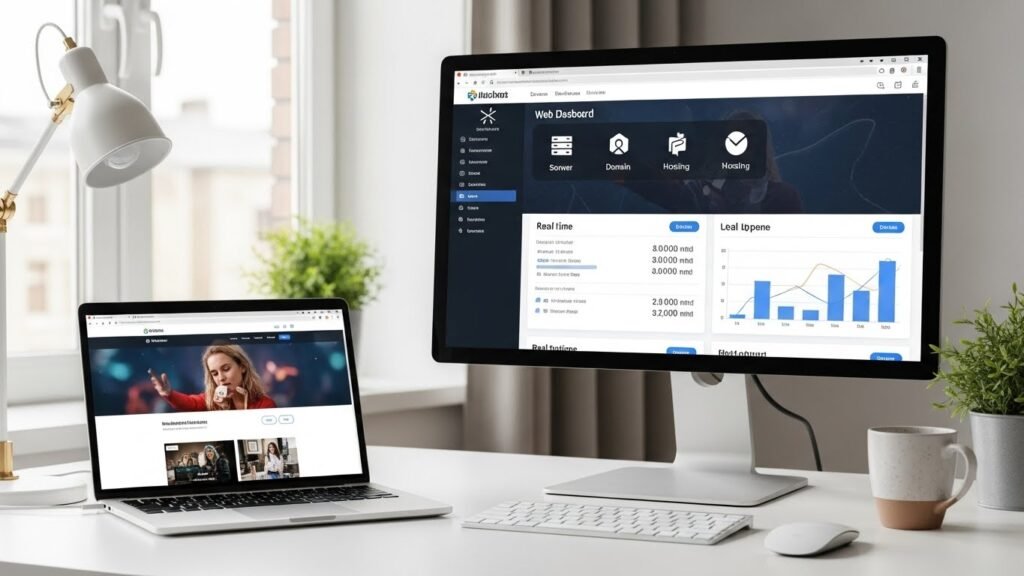
Most successful affiliate marketers use a website. Since your site creates trust and helps you manage your traffic, it is worth the price.
Normal costs:
- Domain: $10–$20 per year
- Hosting: $5–$30 per month
- Themes and plugins: $50–$200 per year
Additionally, you can spend a lot more on upgrades as your site expands.
2. Content Creation
Content is the heart of your work. You need helpful words, videos, images, and reviews to keep users on your page.
You might spend money on:
- Blog writing
- Video creation and editing
- Graphics or stock images
Since good content brings free traffic for years, this cost often pays off.
3. Marketing and Promotion

Not all traffic is free. Therefore, many marketers use paid ads to grow fast.
Paid traffic costs include:
- Google Ads
- Facebook or Instagram Ads
- YouTube Ads
- Email tools
- SEO services
According to reports, Google Ads’ average CPC is around $1–$2, depending on the niche. Meanwhile, some niches cost less, and some cost more.
4. Software and Tools
You may need tools to track clicks, study keywords, or build landing pages.
Common tools include:
- Analytics dashboards
- Email tools
- Landing page creators
- Keyword tools
- Link trackers
Because these tools help you see what works and what fails, they are important investments.
5. Training and Learning
Many people buy online courses or join groups to learn faster. Depending on the course, this can cost $50 to over $1,000.
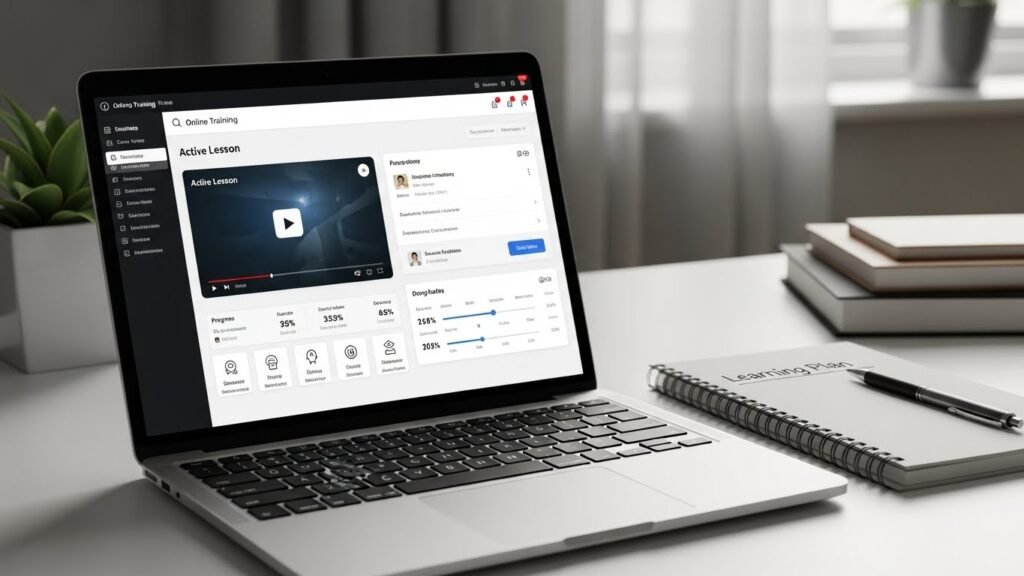
Since learning helps you avoid mistakes, it is often worth the expense.
6. Other Hidden Costs
These may include:
- Outsourcing
- Taxes
- Legal help
- Small monthly fees
Even though these costs seem small, they can add up quickly if not tracked.
Realistic Affiliate Marketing Income Stages
Your traditional or Pinterest affiliate marketing depends on your skill, niche, and time in the field.
Here is a simple chart:
| Level | Experience | Income Per Month |
| Beginner | 0–6 months | $0–$500 |
| Intermediate | 6–24 months | $500–$5,000 |
| Advanced | 2+ years | $5,000–$50,00+ |
Clearly, these numbers show that growth is slow at first. However, over time, consistent work leads to strong results.
Affiliate Marketing Income vs Expenses: What’s the Profit Margin?
Your affiliate marketing profit margin is the money you keep after all expenses.
The formula is simple:
Net Profit = Income – Expenses
Thus, you can see where your money is going and where it stays.
Example Profit Breakdown
Here is a clear example:
| Item | Monthly Cost |
| Income | $4,000 |
| Website + hosting | $50 |
| Content work | $300 |
| Paid ads | $1,000 |
| Software + tools | $100 |
| Other costs | $50 |
| Net Profit | $2,500 |
Profit margin = 62.5%
Clearly, this is a healthy range. Most top affiliates aim for 50%–80% profit margins.
How to Study Your ROI in Affiliate Marketing

Tracking your affiliate marketing return on investment helps you see if your money is working.
Here is the simple math:
ROI = (Profit ÷ Cost) × 100
For example:
If you spend $1,000 and earn $2,500 profit:
ROI = (2,500 ÷ 1,000) × 100 = 250%
Clearly, this shows whether your campaigns are working well.
Many top marketers use a model like this:
Profit = (Traffic × Click Rate × Buy Rate × Average Order Value × Commission) – Ads Cost – Tools Cost
Thus, you can find weak points. For instance, maybe your traffic is low, your click rate is weak, or your ads cost too much.
Then, fixing these spots can grow your income quickly.
Also, with Net Income Zone, you can uncover your affiliate marketing ROI. Compare income vs expenses, optimize your campaigns, and keep more profit in your pocket.
Tips to Maximize Income and Reduce Expenses
Here are simple actions to keep more money:
1. Focus on Free Organic Traffic
SEO, blogs, and YouTube have brought free users for years. Since you do not pay per click, this saves money.
2. Pick Products With High Payouts
A product with a 30%–50% commission gives more money per sale.
3. Track Everything
Use tracking tools to see where your money comes from. Then, stop what does not work and boost what does.
4. Outsource the Right Tasks
Do not try to do everything. Instead, outsource tasks that take too much time.
5. Check Expenses Every Month
Cut unused tools or services. In this manner, your profit margin increases gradually.
Trade Falls that Kill Profit
These mistakes make your income drop fast:
1. Spending Too Early on Ads
Most new affiliates purchase advertisements without knowing conversions. As a result, money is wasted.
2. Ignoring Free Traffic
Relying only on paid ads shrinks your profits.
3. No Tracking
Without tracking, you cannot know which campaigns make money.
4. Buying Too Many Tools
Constantly buying new tools drains your budget.
Your 7-Day Smart Profit Plan
This is a simple plan to shape your numbers:
Day 1–2: Pick Strong Offers
Select offers with clear payouts and good traffic demand.
Day 3–4: Launch Small Tests
Use a few ads or content batches. Then, measure results carefully.
Day 5: Cut What Fails
Stop the weak zones and keep the strong ones.
Day 6: Improve Your Pages
Make headlines, layout, and forms better. Thus, conversion rises.
Day 7: Scale Slowly
Scale only winning parts and keep ROI under control.
Conclusion
Affiliate marketing can give a high income. However, income alone is not the full story. You must watch expenses to grow a real business. When you understand affiliate marketing income vs expenses, you see the true numbers. Keep spending low, build strong content, and track ROI. Over time, your earnings potential grows. Finally, the people who stay steady, test often, and fix weak points are the ones who succeed long-term.
Take control of your affiliate earnings today! With Net Income Zone, you can easily calculate your real profits, track expenses, and discover how to boost your profit margin. Start making smarter decisions and turn your traffic into consistent, measurable income.
FAQs
1. How much does it cost to start affiliate marketing?
You can start affiliate marketing with less than $100 if you only buy a domain and hosting. However, if you also plan to use ads, content tools, or software, your startup cost may reach $300–$1,000. Starting small is possible, but investing wisely helps with growth.
2. Can I start affiliate marketing with no money?
Yes, you can start with no money by using free platforms like social media, YouTube, or Medium. Nevertheless, building your own website is more reliable for long-term income and lets you fully control traffic, content, and email marketing.
3. What is a good profit margin in affiliate marketing?
A strong affiliate marketing profit margin is usually 50%–80%. This means for every $1,000 you earn, you keep $500–$800 after expenses. By tracking costs carefully, you can increase your margin over time and make your campaigns more profitable.
4. How long does it take to see profit?
Most affiliates start seeing consistent profits within 6–12 months. Of course, this depends on your niche, traffic strategy, and how fast you learn to optimize campaigns. Staying patient and testing frequently speeds up the results.
5. Do I need to pay taxes on affiliate income?
Yes. Affiliate income is considered self-employment income in many countries. Therefore, you must report it and pay taxes according to local laws. Keeping accurate records of income and expenses makes tax time easier.
